What Is an Anti Breast Bra and How Does It Work?
What Is an Anti-Breast Bra and How Does It Work? The term “Anti-Breast Bra” is not a standardized medical classification. It usually describes a high-support bra designed to limit breast movement, reduce bouncing, and improve comfort during exercise or daily activity. Some brands also use the phrase for bras that create a flatter, more controlled silhouette. These functions are different, so shoppers should examine the product structure carefully.
Biomechanical research provides useful context. A study published in the Journal of Science and Medicine in Sport reported that breast support can significantly reduce breast movement during running. Research from the University of Portsmouth also found that breast motion may contribute to discomfort and exercise avoidance. These findings support the value of supportive designs, but they do not prove that one bra style suits every body. Fit remains personal.
Industry data points to growing demand for performance-focused intimates. Grand View Research has identified activewear as a major expanding apparel category, supported by rising fitness participation and consumer interest in comfort. The global sports bra market is also forecast to grow in reports from Research and Markets, although market estimates vary by definition and region. That uncertainty matters.
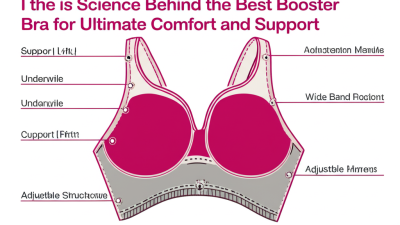
A well-designed Anti-Breast Bra may use encapsulated cups, compression panels, wide straps, firm underbands, and moisture-wicking fabrics. Imagine running downstairs without painful movement or adjusting a slipping strap. That is the practical goal.
Not every “anti-breast” claim is precise. Consumers should question exaggerated promises. A reliable evaluation considers support level, pressure distribution, breathability, fabric recovery, and professional fitting advice. More evidence is still needed.

Definition and Purpose of an Anti-Breast Bra
An anti-breast bra is a non-medical term for a minimizer or compression bra. Its purpose is to make the bust look flatter and feel more controlled. It does not remove breast tissue or create permanent reduction. The term remains fuzzy. Some designs compress the breasts evenly, while others use shaped cups to separate and contain them. Firm bands, wide straps, and low-stretch panels help distribute pressure across the chest. The best design depends on breast size, activity, and personal comfort.
Movement control is a practical benefit.
In a Journal of Sports Sciences study, University of Portsmouth researchers reported up to 74% less breast movement with supportive garments than without support during running. Reduced movement may help limit pulling sensations and exercise discomfort. However, compression is not automatically better. A band that leaves deep marks, causes numbness, or restricts breathing is poorly fitted. The bra should feel secure, not punishing.
Anti-breast bras can support everyday styling, light exercise, or temporary comfort after professional fitting. They should not replace medical garments after surgery. Clinical instructions matter more than product claims. Some wearers may also notice heat, friction, or uneven pressure. That is easy to overlook. Checking the skin after several hours can reveal problems early. Evidence about long-term wear remains limited, so comfort and regular reassessment deserve more attention.
Key Design Features and Support Mechanisms
What Is an Anti Breast Bra and How Does It Work?
Key Design Features and Support Mechanisms
An anti breast bra is an informal term for a bra designed to limit breast movement and create a flatter, steadier shape. It is not a medically regulated category, so construction varies between products. Most designs use firm compression, wider panels, and shaped cups to hold tissue closer to the chest. Fit matters most. A very tight band may feel supportive at first, but it can cause pressure, chafing, or restricted breathing.
The main support comes from the band, not the straps. A broad, level band spreads tension around the ribcage and reduces upward movement. Cross-back or racerback straps can improve stability during walking, training, or repeated arm movement. Some styles add molded cups, inner lining, or side panels that guide tissue inward. Flat seams and soft edges also help prevent rubbing under clothing. That detail matters.
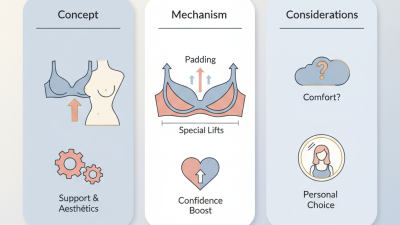
In practical use, compression and encapsulation work differently. Compression presses the breasts toward the body, while encapsulation supports each breast separately. A combined design may feel more secure, especially for fuller chests. Still, “maximum support” is not always better. I have found that overly rigid fabrics can make movement awkward and encourage people to adjust the bra constantly. Checking the band position, cup coverage, and skin comfort after several minutes gives a more reliable fit than judging appearance alone.
What Is an Anti-Breast Bra and How Does It Work?
An anti-breast bra is generally designed to limit breast movement during physical activity. Its main support mechanisms include encapsulation, compression, adjustable straps, a firm underband, and stabilizing panels. Published motion-analysis research has reported approximately 32% lower breast displacement with a standard bra and approximately 74% lower displacement with a sports bra compared with running without breast support. Actual results vary by fit, breast size, fabric elasticity, and activity intensity.
Potential Benefits, Limits, and Suitable Users
What Is an Anti Breast Bra and How Does It Work?
“Anti breast bra” is not a standardized medical term. It usually describes a compression or minimizer bra designed to reduce movement, projection, or visible breast shape. Firm panels press breast tissue closer to the chest, while wide straps and stable bands distribute pressure. The effect depends on fabric tension, cup structure, and accurate sizing. Tight does not always mean supportive.
Potential Benefits, Limits, and Suitable Users
Research reviews in the British Journal of Sports Medicine report exercise-related breast pain in roughly 32% to 69% of active women. A well-fitted compression bra may reduce bouncing, skin friction, and discomfort during running or high-impact training. It can also create a flatter silhouette under fitted clothing. Some users report greater confidence. That experience matters, but it is not proof of medical benefit.
Limits are easy to overlook. Excessive compression may cause numbness, breathing discomfort, shoulder pressure, or skin irritation. It cannot permanently change breast shape or prevent sagging. The Journal of Sports Sciences has also linked poor bra fit with reduced physical activity, especially when discomfort becomes persistent. Larger-busted users, athletes, and people with temporary tenderness may benefit most from professional fitting. Post-surgery users need clinical advice instead. I would not wear one for long periods without checking circulation, comfort, and skin marks. Personal testing remains imperfect, but it is more reliable than judging support by appearance alone.
How to Choose and Wear One Correctly
“Anti-breast bra” is not a universally regulated medical term. It usually describes a bra designed to reduce bounce, breast movement, and strain during activity. Its value depends less on the label than on fit, fabric, and construction. Research from the University of Portsmouth reports that breasts can move up to 14 centimetres during running. That movement may cause discomfort, especially without adequate support. The WHO 2020 physical activity guidelines recommend 150–300 minutes of moderate activity weekly. A suitable bra should support that routine without restricting breathing.
Measure your ribcage and fullest bust, preferably late in the day. Bodies change. Try several sizes, because charts are only starting points. The band should sit level and feel firm, without pinching your skin. Cups should contain all breast tissue, without spilling or empty wrinkles. For running, choose encapsulated cups or tested compression, plus wide, adjustable straps. Moisture-wicking fabric and flat seams can reduce rubbing. No size chart is perfect.
Put the bra on while leaning forward, then gently scoop tissue from the sides. Fasten the band on the loosest hook when new. Adjust straps until two fingers fit beneath them. Jump, stretch, and breathe before buying. If pain, numbness, chafing, or breathing difficulty appears, reassess the size. A qualified fitter or clinician can help when discomfort persists, especially after surgery or major body changes. Wash according to care instructions, since stretched elastic quietly reduces support.