Top Tips for Choosing the Perfect Plus Size Bra?
Choosing the perfect Plus Size Bra can feel overwhelming. The right bra not only offers support but also boosts confidence. Reports indicate that about 68% of women wear the wrong bra size. This highlights the importance of understanding fit and style.
As Emily Johnson, a prominent expert in lingerie design, states, "Comfort and support are paramount when selecting Plus Size Bras." Women often face challenges in finding bras that cater to their unique shapes. Many options on the market offer limited styles, leaving consumers frustrated.
When choosing a Plus Size Bra, look for materials that offer both stretch and support. Remember, not all brands size the same way. Your size may differ across different labels. Embrace the journey of discovering what truly fits. It can make all the difference in daily comfort.
Understanding Your Body Type for Plus Size Bra Selection
Choosing the right plus size bra starts with understanding your body type. Different shapes require specific styles for optimal support and comfort. Knowing your measurements is essential. You might be surprised by how many women wear the wrong size. A fitting session can reveal what you really need. Don’t shy away from professional help.
When selecting a bra, consider your fullness. Full-figured women may benefit from bras with wider straps and more support. Look for styles that provide adequate coverage. This can help in avoiding spillage and discomfort. It's also crucial to think about the occasions you need the bra for. Everyday bras should prioritize comfort, while special occasions might allow for more style.
Another tip involves fabric choice. Soft, breathable materials can greatly enhance your comfort. On the other hand, avoid overly stiff materials that may irritate your skin. Test the bra by moving around. A poorly fitting bra can lead to back pain and other issues. Always prioritize fit over aesthetics. Your comfort should come first, and it’s okay to try several designs before finding the perfect one.
Key Features to Look for in Plus Size Bras
When it comes to choosing the perfect plus size bra, key features are essential.
Comfort should be your priority. Look for wide straps that distribute weight evenly.
This minimizes pressure on your shoulders. A bra with a wide band offers additional support and stability.
It helps prevent discomfort and digging into your skin.
Fit is crucial. A well-fitted bra enhances your silhouette.
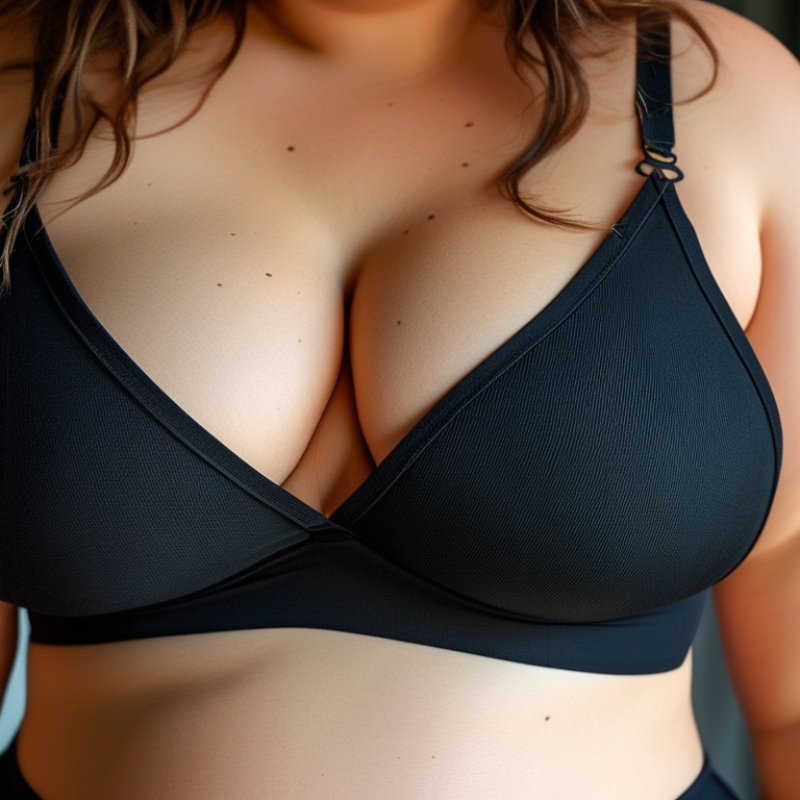
Cups should fully encompass the breast. If they spill over, the bra is too small. On the flip side, gaping cups indicate a size too large.
Trying on multiple sizes can help you find the right one.
Material matters, too. Breathable fabrics are important for all-day wear.
Look for moisture-wicking blends if you often feel hot. Ensure it has some elasticity for flexibility, but not too much.
A lack of support can lead to sagging over time. Finding the right bra can be a journey, with some trial and error involved,
but your comfort is worth it.
Choosing the Right Material for Comfort and Support
Choosing the right material for a plus size bra is crucial for both comfort and support. Many materials can impact how a bra feels throughout the day. Common choices include cotton, lace, microfiber, and spandex. Each offers different benefits.
Cotton is soft and breathable, making it a great choice for everyday wear. However, it may lack the structure needed for heavier busts.
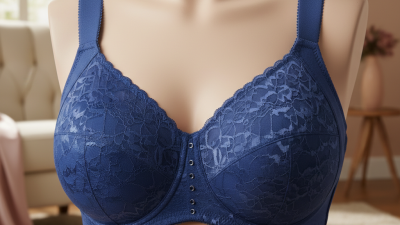
Lace adds a touch of elegance but can sometimes irritate sensitive skin. Microfiber is lightweight and smooth, providing a sleek feel under clothing. Yet, it might not offer enough support for some body types.
It's essential to consider how materials can stretch and wear over time. A bra that feels good initially might lose its shape quickly. Finding the right fabric is a balance. Sometimes, you may have to try a few options before finding what works best. Listen to your body; if a bra feels uncomfortable, it likely isn’t the right choice for you.
Reflect on previous experiences with bras and understand your needs. Quality materials can make a significant difference in your comfort and confidence.
How to Measure Yourself for Accurate Sizing
Measuring yourself accurately is essential for finding the perfect plus-size bra. Start by gathering tools you need, like a soft measuring tape and a notebook. It’s crucial to take your time. Mistakes can lead to discomfort later.
To measure your band size, wrap the tape around your ribcage. Ensure it sits comfortably, just under your bust. Breathe normally. Round to the nearest whole number. If you get an odd number, add one inch for a smoother fit. This number is your band size.
Next, measure your bust. Wrap the tape around the fullest part of your breasts. Make sure the tape is parallel to the ground. Record this number. Subtract your band size from your bust size. The difference will help you identify your cup size.
Measuring can be tricky. Many encounter issues like loose tape or shifts in posture. Don't rush; this can lead to inaccuracies. Take a few tries if needed. It’s about getting the best fit for support and confidence. Always remember that fit can vary by style, so expect to trial bras that feel right for you.
Top Tips for Choosing the Perfect Plus Size Bra
| Measurement Method |
Tip Description |
Extra Tips |
| Underbust Measurement |
Measure just under your bust to find your band size. |
Ensure the measuring tape is snug but not too tight. |
| Bust Measurement |
Measure the fullest part of your bust to determine cup size. |
Keep your arms relaxed at your sides for accurate measurement. |
| Sister Size Assessment |
Identify sister sizes to expand your options. |
If you’re a 42D, try 40DD or 44C for fit variations. |
| Fit Testing |
Always try on bras before buying to ensure comfort and support. |
Move around to check fit during daily activities. |
| Style Consideration |
Choose the correct style (e.g., full coverage, minimizer, bralette) for your needs. |
Consider your body shape and preferences for optimal support. |
Tips for Trying On and Assessing Fit of Plus Size Bras
Finding the right fit for a plus-size bra can significantly impact comfort and confidence. When trying on bras, pay attention to key areas. Start with the band; it should feel snug but not overly tight. A properly fitting band provides most of the support. Look for slight tension without discomfort.
Next, the cups should encompass your breasts fully. If there’s spillage or gaping, try another size. Adjust the straps to see if you need a tighter or looser fit. Remember, a well-fitting bra should allow for movement but keep everything secure. Don’t hesitate to try different styles, as each design offers unique support.
Lastly, take your time assessing the fit. Stand, sit, and move around. Check for any pinching or poking. A good bra feels comfortable all day. If you find yourself constantly adjusting, it’s time to rethink your choice. Listening to your body will help you find what works best.