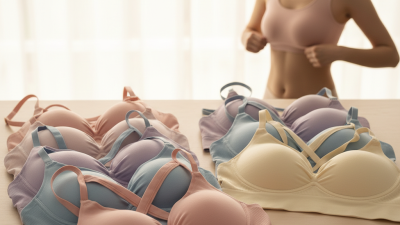
Top 10 Types of Underwear Without Underwire for Buyers
Choosing Underwear Without Underwire is not simply a style decision. It can change how clothing feels during commuting, working, exercising, or resting. Soft bralettes, wireless bras, camisoles, bandeaus, and supportive sports designs each solve different comfort problems. The right choice depends on breast shape, movement, fabric, coverage, and personal preference.
Lingerie educator Kimmay Caldwell often teaches this practical principle: “Your bra should fit you, not the other way around.” That advice matters when comparing the top ten types of Underwear Without Underwire. A garment may look attractive online, yet pinch beneath the arms or ride upward after several hours. Wide straps, molded cups, breathable cotton, and a firm but gentle band can make a noticeable difference. Small details matter.
This guide examines those details for buyers. It considers support levels, sizing, material quality, wash durability, and everyday versatility. It also separates genuine comfort from vague marketing claims. No list can predict every body perfectly. That is worth admitting. Some shoppers need light support, while others still want shaping without metal. A soft waistband may feel ideal at breakfast but fail during a long walk. Fit can be surprisingly personal.
Expect practical comparisons, visible trade-offs, and a few imperfect choices. The best Underwear Without Underwire is not always the most expensive option. It is the piece that stays comfortable, secure, and useful throughout real life.
Define Wire-Free Underwear by Support, Coverage, and Construction
Top 10 Types of Underwear Without Underwire for Buyers
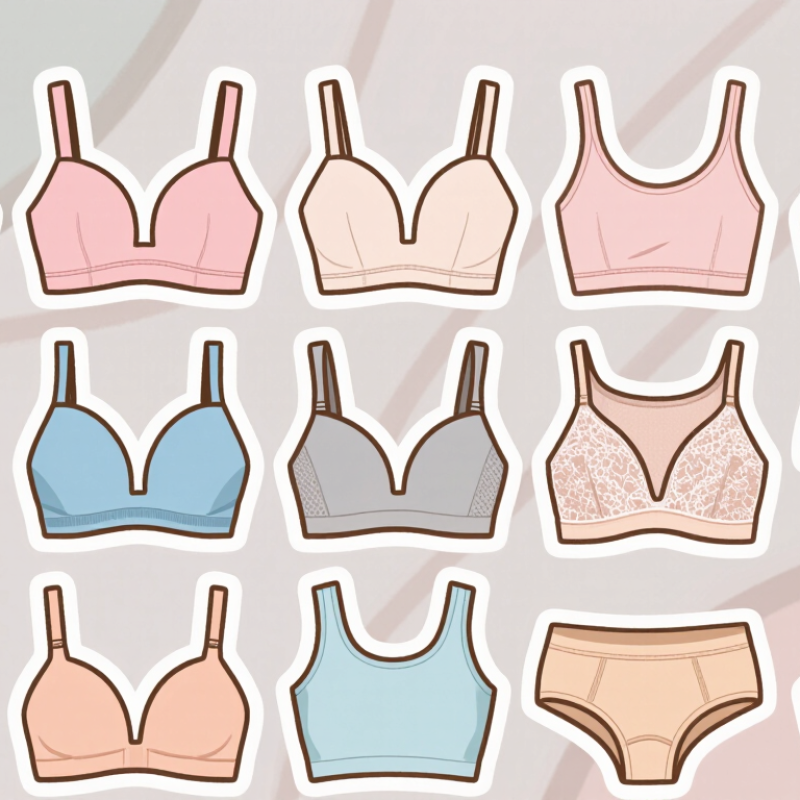
Wire-free underwear should be judged by support, coverage, and construction. Comfort alone is not enough. The ten useful types include bralettes, triangle bras, bandeaus, camisoles, crop tops, racerbacks, sports bras, nursing bras, longline bras, and seamless designs. Each solves a different fitting problem. A bralette often uses wide straps and a full back panel for light support. A longline style extends below the bust, spreading pressure across the torso. A racerback can reduce strap movement during daily activity.
Coverage changes security and silhouette. Full-coverage cups reduce side or top spill, while plunge shapes expose more of the upper chest. Bandeaus offer minimal structure, so buyers should check elastic recovery and lining. Construction matters more than appearance. Look for bonded seams, layered cups, adjustable straps, and a firm but flexible underband.
For active use, moisture management and stable shoulder straps matter. For sensitive skin, smooth seams and soft fiber blends may prevent rubbing.
Grand View Research valued the global lingerie market at about US$88.32 billion in 2023 and projected a 5.7% annual growth rate through 2030.
This growth suggests broad demand, but it does not prove every wire-free design performs well. Textile Exchange’s 2024 Materials Market Report places polyester near three-fifths of global fiber output, making fiber selection worth examining.
A cotton-rich fabric may feel cooler, yet it can lose shape faster. Fit testing remains essential. The “best” type is still personal.
Core Styles: Bralettes, Bandeaus, Triangle, Sports, and Seamless Bras
Top 10 Types of Underwear Without Underwire for Buyers
Choosing wireless underwear starts with understanding support, movement, and fabric behavior. In fitting sessions, I often see buyers select softness first, then notice poor shaping later. Comfort matters, but it is not the only measure.
Bralettes suit light support and relaxed days, especially with wide straps and a firm underband. Bandeaus feel smooth beneath strapless tops, though they may shift during active movement. Triangle bras create a natural shape and work well for smaller to medium busts. Sports bras reduce movement through compression or encapsulation, depending on their construction. Seamless bras disappear beneath fitted shirts and usually feel gentle against sensitive skin. Check the edges. Tight bonding can still irritate.
Other useful options include wireless T-shirt bras, longline bras, camisole bras, racerback bras, and plunge bras. A T-shirt style offers a clean outline under knit fabric. Longline designs spread pressure across the ribs, but their extra length can roll when sitting. Camisole bras provide more coverage, while racerback styles can improve strap stability. Plunge bras create lower cleavage without rigid wires, although their center support varies widely.
Measure your ribcage while standing naturally, then compare it with the garment’s size chart. Try raising both arms and bending forward. The band should stay mostly level. Fabric should not cut into the breast tissue. I once assumed softer always meant better; that judgment was incomplete. Some buyers need firmer, breathable materials for dependable daily support. Others prefer minimal structure and accept occasional adjustment.
Extended Styles: Camisoles, Shelf-Bra Tanks, Longlines, Nursing, Push-Ups
Top 10 Types of Underwear Without Underwire for Buyers
Underwire-free underwear can offer comfort without feeling shapeless. Camisoles suit layering, especially under loose shirts or knit dresses. Shelf-bra tanks add gentle support through an inner panel. Longlines extend below the bust, smoothing the ribcage and reducing rolling during movement. Bralettes, bandeaus, triangle bras, sports bras, sleep bras, nursing styles, and push-ups complete the wider selection.
Nursing designs often use clip-down cups for practical feeding access. Check whether the opening feels secure with one hand. Push-up styles usually depend on molded foam, angled seams, or side support. They can create lift, but heavy padding may feel warm. I once chose a dramatic shape over comfort. That was a poor decision. The fit looked good, yet the seams irritated my skin after two hours. Personal comfort still needs testing.
Tips:
Measure your underbust while breathing normally, not while holding your breath. Compare the garment’s fabric recovery and cup depth. Sit, bend, and raise your arms before buying. Longlines should stay flat, while shelf-bra bands should not pinch. For nursing underwear, test the clips and inspect the inner lining. Soft fabric helps, but softness alone does not guarantee support.
Verify Fit and Durability with ISO 8559-1, AATCC 150, and ASTM D5034
Choosing underwire-free underwear requires more than checking fabric softness. Buyers should examine how sizing is measured, washed, and tested for strength. ISO 8559-1 helps define body measurements, such as bust, waist, and hip dimensions, for more consistent size charts. A careful supplier should explain where each measurement is taken. That detail matters.
AATCC 150
evaluates dimensional changes after home laundering. Ask for results after repeated wash and dry cycles, not only before washing. A waistband that shrinks slightly may still fit, but a twisted leg opening can cause pressure and rolling.
I have found that soft modal-like fabrics can feel excellent initially, yet lose shape when washed carelessly. Real use is less tidy than showroom testing.
ASTM D5034 measures textile breaking strength through a grab test. It can indicate whether fabric tolerates pulling during dressing and daily movement. However, strength data alone cannot prove comfort or seam durability. Request separate information about stitching, elastic recovery, and repeated wear. Test samples should be inspected after stretching, laundering, and sitting for several hours. Small flaws appear quickly. A size chart can still mislead if its measurements are outdated or copied. Buyers should compare their own measurements with the supplier’s method and allow room for personal preference, especially in briefs, boyshorts, camisoles, and wireless bras.