Leave Your Message

Who Is the Best Bra Manufacturer in China?

Choosing the best Bra Manufacturer in China takes more than comparing prices or polished product photos. The opportunity is substantial: China’s textile and apparel exports were valued at approximately US$293.6 billion in 2023, according to figures reported by the China National Textile and Apparel Council. That figure covers a broad industry, not bra production alone, but it reflects the scale of the country’s manufacturing and sourcing network. Grand View Research also estimates that the global lingerie market will continue growing through 2030, supporting demand for products that combine comfort, fit, and reliable construction. Market estimates vary by research firm and product definition, so treat them as context—not guarantees of future sales.

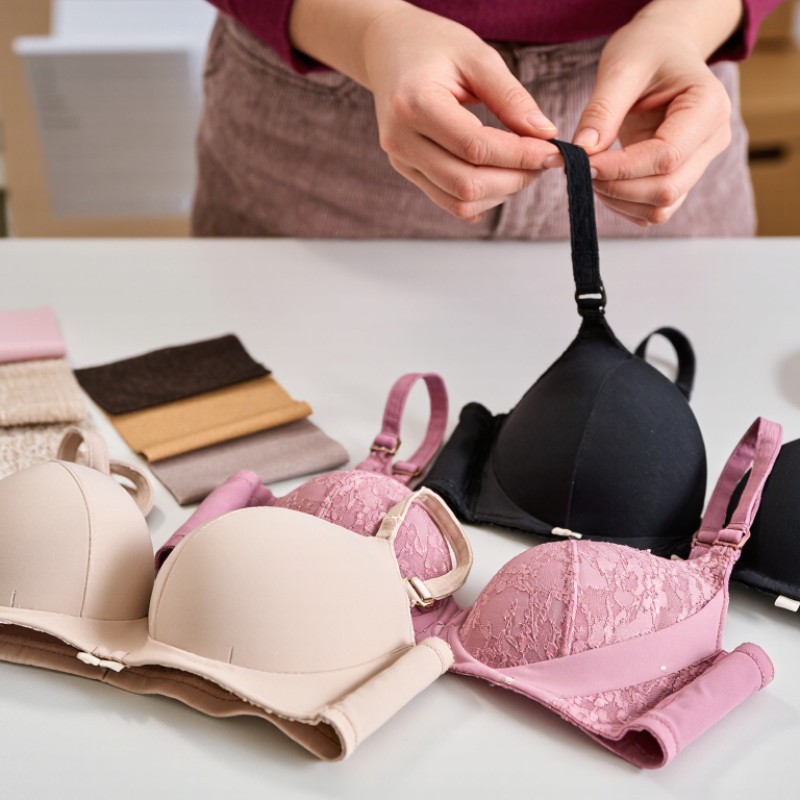
A strong supplier should demonstrate its capabilities with evidence. Ask for details on pattern development, cup construction, fabric sourcing, size grading, sampling, and inspection procedures. Then examine a physical sample: check the stitching around the underwire channel, the recovery of the elastic, and whether the hook-and-eye closure feels secure. Small details matter. A low quote may conceal limited customization, inconsistent materials, or unclear production timelines. I have seen buyers focus heavily on unit cost and overlook communication during sampling; that can be an expensive lesson. No supplier is best for every brand. This guide compares practical criteria and credible signals to help you identify a Bra Manufacturer that fits your product, order volume, and quality expectations.

Who Is the Best Bra Manufacturer in China?

Understanding China’s Bra Manufacturing Industry

China’s bra manufacturing industry combines fabric sourcing, pattern development, cutting, sewing, and quality inspection within a dense supplier network. Production centers often have access to elastic, lace, molded cups, and other components nearby. This can shorten development cycles, though timing depends on material availability and factory capacity.

A capable manufacturer should explain how it manages fit, grading, and repeat orders. Ask how samples are assessed across sizes, not just on one fit model. Check stitching, seam comfort, strap adjustment, and wash-test results. Small details matter. A clean sample does not always predict consistent bulk production, so request clear inspection criteria and documented tolerances. Experienced sourcing teams also compare communication, minimum order quantities, lead times, and the handling of design changes. These details are less exciting than a finished product, but they affect delivery.

Factory visits or live video walkthroughs can help buyers understand equipment and workflow. Still, a polished tour is only one signal. Request recent production examples and confirm which steps happen in-house or through subcontractors. Be cautious with broad claims about capacity; actual output varies by style and season. Choosing the “best” partner is therefore less about location alone and more about evidence, transparency, and a willingness to discuss problems plainly. Even careful vetting cannot remove every risk. That part deserves honest attention.

Who Is the Best Bra Manufacturer in China? - Understanding China’s Bra Manufacturing Industry
Evaluation Dimension What to Assess Why It Matters Practical Verification
Product specialization Experience with the required bra categories, such as everyday bras, sports bras, wireless styles, or nursing bras. Different designs require different construction methods, materials, and fit expertise. Review relevant product samples and ask about experience with similar specifications.
Fit development Pattern making, size grading, sample revisions, and fit testing across the requested size range. Consistent fit depends on accurate patterns and testing, not just appearance. Request a documented sample process and check samples on suitable fit models or mannequins.
Material sourcing Access to suitable fabrics, linings, elastics, lace, hooks, and other components. Material performance affects support, comfort, durability, and product consistency. Confirm material specifications, test reports where applicable, and approval procedures for substitutions.
Production capability Available equipment, production workflow, order capacity, and ability to handle the required construction details. A factory’s capabilities should match the product and order requirements. Discuss the production plan, capacity assumptions, and quality controls for the specific order.
Quality management Incoming-material inspection, in-process checks, final inspection, and handling of nonconforming products. Defined checks can help reduce defects and maintain repeat-order consistency. Ask for written inspection criteria and agree on acceptable defect standards before production.
Compliance and traceability Ability to provide documentation relevant to the product, materials, destination market, and buyer requirements. Requirements vary by market and product, so claims should be verified rather than assumed. Check current certificates and test reports with the issuing organization or testing provider.
Communication and project management Response clarity, sample tracking, change approval, and escalation procedures. Clear communication helps prevent misunderstandings about specifications, timing, and revisions. Use a written specification sheet and record approvals for samples, materials, and production changes.
Cost and lead-time transparency Quotation breakdown, minimum order quantity, sampling charges, production schedule, and payment terms. Comparable quotations require the same specifications and clearly stated assumptions. Request an itemized quote and a schedule that distinguishes sampling, material sourcing, and production.
Best-fit selection Overall match between product needs, quality expectations, order scale, budget, and service requirements. There is no single manufacturer that is best for every buyer or bra category. Compare shortlisted suppliers using samples, verified documentation, and the same written brief.

Criteria for Evaluating a Bra Manufacturer

Who Is the Best Bra Manufacturer in China?

Criteria for Evaluating a Bra Manufacturer

Choosing a bra manufacturer takes more than comparing prices or browsing polished product photos. Start with fit expertise. Ask how the team tests band stability, cup shape, strap tension, and movement across different sizes. Request samples in your actual fabric and size range. A bra that looks smooth on a table may shift during a full day of wear. Fit matters.

Check material sourcing and production consistency. Ask for fabric specifications, colorfastness results, and details about how elastic and closures are inspected. Review a sample, then compare it with a later production piece. Small differences in stitching or hook placement can affect comfort. They happen. A reliable factory should explain its quality checks and show how it handles defects, rather than promising perfection.

Production capacity and communication deserve equal attention. Confirm realistic lead times, minimum order quantities, and how changes are approved before bulk production. Clear measurement sheets and timely updates reduce avoidable mistakes. If answers remain vague, pause and ask more specific questions. I would also consider how willingly the manufacturer discusses a failed sample; that conversation can reveal more than a sales presentation. No checklist guarantees a perfect partnership, and I may weigh responsiveness more heavily than another buyer would.

Who Is the Best Bra Manufacturer in China?

Suggested criteria for evaluating a bra manufacturer

These suggested weights are a practical evaluation framework, not survey results or ratings of specific companies. Adjust them to reflect your product, market, and compliance requirements. Verify capabilities through samples, audits, test reports, and documented quality processes.

Leading Bra Manufacturers and Their Specialties

China’s leading bra manufacturers often specialize in different parts of the market. Some focus on everyday bras, with soft cotton blends, smooth seams, and consistent sizing for large production runs. Others develop sports bras, testing stretch recovery and support during movement. A sample should feel secure, not restrictive. Small details matter.

Factory expertise can also center on lingerie construction, such as lace placement, adjustable straps, and clean finishing around the cups. Maternity and nursing specialists may offer flexible panels and practical closures, while seamless producers use knitting methods to reduce visible edges. These specialties are not interchangeable. A factory experienced in fashion lingerie may not be the right choice for high-impact sports styles.

To compare manufacturers, request samples in several sizes and inspect stitching, elastic recovery, cup shape, and wash performance. Ask how the factory handles fit revisions, material checks, and production consistency. Clear answers are useful; vague promises are not. Certifications and inspection records can support a supplier’s claims, but they do not replace product testing. Even a strong sample can hide fit issues that appear in another size. That part is easy to overlook. The best match depends on the intended customer, target price, and required order volume.

How to Verify a Manufacturer’s Quality and Reliability

A reliable bra manufacturer is not proven by a polished showroom. Ask for a current quality manual, factory audit records, and test reports tied to the exact fabric, trims, and production site. The ISO Survey 2022 recorded more than 1.2 million valid ISO 9001 certificates worldwide. That figure shows how widely quality systems are used; it does not prove that every bra leaving a factory meets your specifications. Check the certificate’s scope, issuing body, and expiry date. Then compare its site address with the facility making your order.

Test samples under clear, repeatable conditions. For bras, that means checking band recovery, strap slippage, seam strength, colorfastness, and fit after laundering. Request test methods and results from a competent laboratory, and confirm that the tested materials match bulk production. Inspect stitching near the underarm and hook-and-eye closure; small defects often hide there. A pre-shipment inspection can catch issues, but it cannot replace in-line checks. No single audit catches everything. Even a strong supplier may miss a detail, so record tolerances and agree on corrective actions before production starts.

Choosing the Best Bra Manufacturer for Your Needs

Choosing a bra manufacturer in China starts with your product, not a factory’s sales pitch. Define the fit, fabric, support level, and target price before comparing suppliers. A soft everyday bra and a high-impact sports bra need different materials, construction, and testing. Be specific. Ask how the factory checks measurements, seam strength, color consistency, and elastic recovery. Request samples in your intended fabric, then wash and wear them several times. A smooth first fitting can hide problems that appear after laundering.

Production capability matters, but communication matters just as much. Ask who will handle your development sample and how revisions are recorded. Clear measurement charts and written comments can prevent costly misunderstandings. Check whether the manufacturer can explain its minimum order quantity, lead times, and quality-control steps in plain language. Vague answers deserve follow-up. If possible, review a production sample against your approved sample, including stitching, labels, and packaging. Small details count.

Price alone is a weak guide. A very low quote may exclude development work, testing, or packaging, so compare itemized costs. Ask for relevant experience with your bra category and evidence of consistent quality, while protecting your designs and specifications. No supplier is perfect; even a promising sample may need another round of fit changes. That is normal, though it takes time. Choose a partner whose process you can verify and whose limitations are discussed openly.