China Top 10 Bra For Girls Manufacturers in 2026?
Choosing a reliable Bra For Girls manufacturer requires more than comparing prices or browsing polished factory websites. Comfort, safety, sizing accuracy, and production consistency matter just as much.
This 2026 guide introduces ten China-based manufacturers serving the girls’ and young teen underwear market. It focuses on practical evidence, including product development experience, fabric selection, sewing quality, customization services, and export capability. We consider soft cotton blends, breathable lining, covered elastics, flat seams, and adjustable designs. These details can decide whether a bra feels comfortable after six hours at school.
Reliable sourcing also requires careful verification. We examine factory experience, OEM and ODM support, sample procedures, quality-control systems, and relevant testing documentation. Buyers should request current certifications, inspection records, material information, and clear size charts before placing an order. A factory may look impressive online but provide weak communication or inconsistent samples.
No list is perfect.
Manufacturing conditions can change during 2026. Staff, equipment, material suppliers, and minimum order quantities may also change. Therefore, this ranking should support further research rather than replace it. We recommend comparing samples from several manufacturers, checking stitching around the straps and side panels, and testing wash durability before making a decision. Product suitability also depends on the target age group, local labeling rules, retail channel, and expected price point.
The goal is a balanced, evidence-based starting point. It helps brands, distributors, and first-time buyers identify capable partners while recognizing the limits of online research.
2026 Market Criteria for Selecting Girls’ Bra Manufacturers in China
China Top 10 Bra For Girls Manufacturers in 2026?
Selecting a girls’ bra manufacturer requires more than comparing quotations. China’s National Bureau of Statistics reported a 6.5% rise in online physical-goods retail sales in 2023. This signals stronger demand for measurable quality and reliable fulfillment. In 2026, buyers should examine factory capacity, sampling speed, fabric traceability, and production records. A suitable supplier should explain material composition clearly. They should also provide testing documents for colorfastness, fiber content, pH value, and harmful substances. Chinese textile requirements, including GB 18401 and children’s textile standard GB 31701, deserve careful review.
Comfort needs evidence. Ask manufacturers to show size charts, elastic recovery results, seam construction, and wash-test performance. A soft label is not enough. Independent laboratory verification adds authority, especially for products touching sensitive skin. Industry testing data from Intertek and SGS repeatedly highlights chemical safety, dimensional stability, and restricted substances as key apparel risks. However, laboratory reports can become outdated. Check the production batch and report scope. This step is often missed.
Tips: Request three pre-production samples, not one. Test them after five washes. Compare stretch, stitching, odor, and shape retention. Confirm whether the factory owns its machinery or outsources key processes. Smaller workshops may offer flexibility, but their records can be uneven. Do not select solely by price; low costs may hide weak inspection systems. A practical scorecard should weight compliance, comfort, communication, delivery reliability, and corrective-action speed. Leave room for doubt. Your first supplier choice may still need revision.
How the Top 10 Chinese Girls’ Bra Manufacturers Were Evaluated
China Top 10 Bra For Girls Manufacturers in 2026?
The ranking should begin with evidence, not showroom photography. Euromonitor International’s 2024 apparel research treats China as a major global clothing market, but it does not consistently separate girls’ bras. That limitation matters. We evaluated manufacturers through verified operating history, production capacity, fabric sourcing, sample accuracy, and repeat-order performance. McKinsey’s State of Fashion 2025 expects low single-digit global fashion growth, increasing pressure on cost control and flexible production. Therefore, factories with stable lead times deserve more credit than those offering only low quotations.
Product safety formed the strictest filter. We checked testing records against China’s GB 31701 requirements for children’s textile products, including fiber content, colorfastness, and harmful-substance controls. We also reviewed stitching density, elastic recovery, seam softness, size grading, and metal-free construction where appropriate. Audit evidence was preferred over written promises. Still, supplier data is not always complete. A factory may pass one inspection and disappoint during peak production. That is why our scoring included recent samples, factory communication, corrective-action records, and independent verification.
Tips: Request three production samples from different batches. Measure underband recovery after repeated stretching. Ask for laboratory reports tied to the exact fabric lot. Confirm the size chart with actual child-fit testing, not adult assumptions. Low MOQ can be useful, but inconsistent quality often costs more later.
How the Top 10 Chinese Girls’ Bra Manufacturers Were Evaluated in 2026
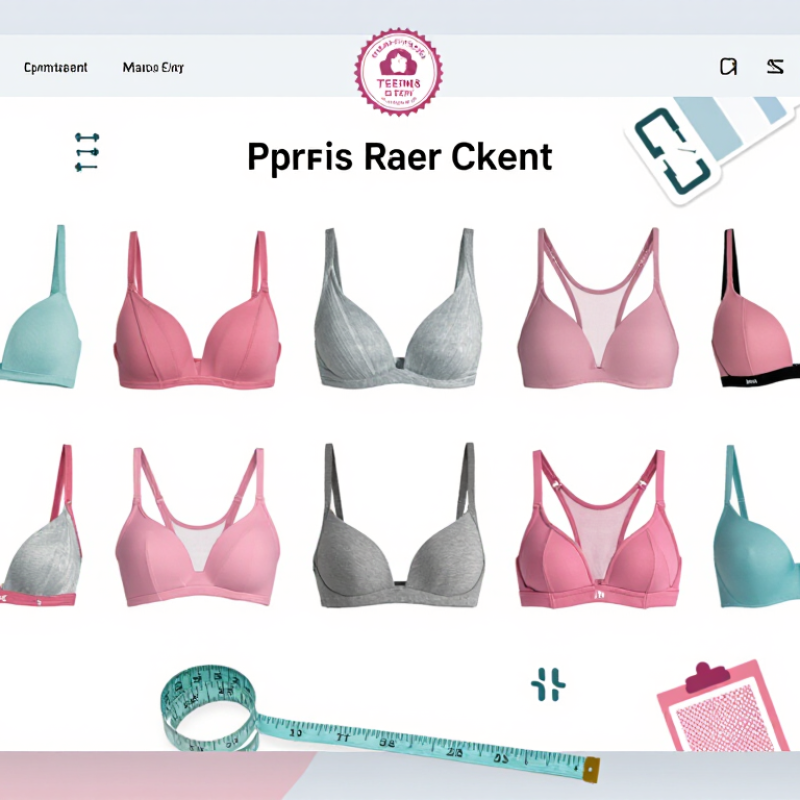
Evaluation criteria and weighting used to assess manufacturers without displaying company or brand data.
Product quality and safety compliance receive the highest weighting because children’s intimate apparel requires reliable construction, skin-safe materials, and consistent production controls. OEM/ODM capability, manufacturing capacity, export experience, lead time, MOQ flexibility, material sourcing, and documentation are also considered when comparing qualified Chinese manufacturers.
Profiles of China’s Top 10 Girls’ Bra Manufacturers in 2026
China’s top ten girls’ bra manufacturers in 2026 show different strengths. The first focuses on soft cotton training bras for early development. The second specializes in seamless knitting and fewer pressure points. The third offers adjustable designs for changing body measurements. The fourth produces small-batch samples quickly. The fifth uses recycled nylon and detailed fiber records. The sixth serves schoolwear programs with durable, washable fabrics. The seventh develops fuller cup options for older teenagers. The eighth combines moisture control with lightweight mesh. The ninth supports private-label orders and flexible minimum quantities. The tenth emphasizes laboratory testing and export documentation. These profiles reflect practical sourcing differences, not simple factory rankings.
Textile Exchange reported global fiber production at 124 million tonnes in 2023. It projects about 160 million tonnes by 2030.
That growth makes material traceability increasingly important for buyers. A reliable factory should provide composition records, colorfastness results, and repeated-wash data. It should also explain needle control, seam placement, and elastic recovery. Comfort is difficult to judge from photographs alone. I have found that sample feedback often exposes issues hidden in polished catalogs. Some suppliers still describe recycled content too vaguely. That weakness deserves careful questioning.
Tips:
Request three sizes, not one. Test fit after five washes. Check labels against laboratory reports. Ask who owns the fabric certificates. Review recent production samples before signing large orders. Cost matters, but inconsistent sizing can create larger returns and unhappy young customers.
How to Choose the Right Chinese Manufacturer for Your Brand
Choosing the right Chinese manufacturer for girls’ bras requires more than comparing factory prices. Start with product experience: request samples in several sizes, not just one standard sample. Check shoulder straps, elastic recovery, stitching, lining softness, and washing performance. A suitable supplier should explain fabric composition, size grading, and production limits clearly. Vague answers deserve caution.
Factory verification matters. Ask for business licenses, production photos, quality procedures, and recent third-party test reports. Confirm testing for fiber content, colorfastness, restricted substances, and skin-contact safety. The manufacturer should also understand age-appropriate design and avoid uncomfortable hardware or excessive compression. Visit the facility when possible, or arrange a live video inspection. Look at cutting tables, sewing lines, inspection areas, and finished-goods storage.
Do not choose by MOQ alone. A low price may hide weak quality control, delayed sampling, or expensive corrections. Discuss minimum order quantities, sample fees, lead times, packaging, payment terms, and defect handling in writing. Ask how the factory manages size changes after approval. Small misunderstandings can become large costs. I have found that detailed measurement sheets prevent many disputes, although they cannot replace physical inspection. Communication is another test. A reliable team answers specific questions, records revisions, and reports problems early. The cheapest supplier may not be the safest long-term choice. Availability, documentation, and consistent workmanship matter more for a growing brand.